
DRY MOUTH
Dry mouth is the feeling that there is not enough saliva in the mouth. This is a common problem that everyone experiences at some point. It is not uncommon to have dry mouth when nervous, upset or in a stressful situation, however, persistent dry mouth can be a sign of some diseases or medical conditions and can lead to other health issues.
Saliva plays an important role in both digestion and maintenance of the mouth. Not only does saliva make it possible for you to chew and swallow food, it also helps to digest food. In the mouth, saliva protects teeth from decay by neutralizing acids and by naturally cleansing the teeth.
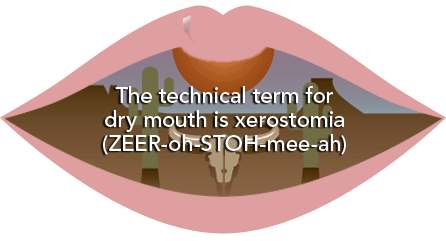
Symptoms of dry mouth include:
-
sticky or dry feeling in the mouth
-
difficulty chewing or swallowing
-
a burning sensation in the mouth
-
dryness in the throat
-
cracked lips
-
a dry, rough tongue
-
frequent mouth sores
-
frequent infection in the mouth
SYMPTOMS OF DRY MOUTH
SYMPTOMS OF DRY MOUTH
CAUSES OF DRY MOUTH
When salivary glands in the mouth are not properly working they produce less saliva than needed to keep the mouth wet. Some reasons why these salivary glands may not be working properly include:
Medication Side Effects: Well over 500 medications on the market are known to decrease saliva production. Click Here to View a List of Medications.
Disease: Some diseases such as Sjogren’s Syndrome, HIV/AIDS and diabetes, may result in affected saliva production.
Radiation Therapy: As a result of radiation therapy for cancer treatment, salivary glands can be damaged.
Chemotherapy: While chemotherapy drugs do not affect the production of saliva, they can make saliva thicker in consistency, causing the mouth to feel dry.
Nerve Damage: Injury to the head and neck can damage the nerves which tell the salivary glands to produce saliva.
DRY MOUTH TREATMENT
Treatment of dry mouth will vary depending on the cause. Some treatments can include switching medications, taking a medication which helps the salivary glands work better or using artificial saliva.
TIPS FOR LIVING WITH DRY MOUTH
-
Sip on water or sugarless drinks often to keep the mouth wet
-
Avoid beverages with caffeine; caffeine can dry out the mouth
-
Chew sugarless gum or suck on sugarless hard candy to help stimulate saliva flow
-
Avoid tobacco and alcohol as they dry out the mouth. This includes any mouthrinse that contains alcohol such as Listerine.
-
Spicy or salty food may cause pain in a dry mouth
-
Sleep with a humidifier at night
ADDITIONAL INFORMATION
National Institutes of Health- Dry Mouth